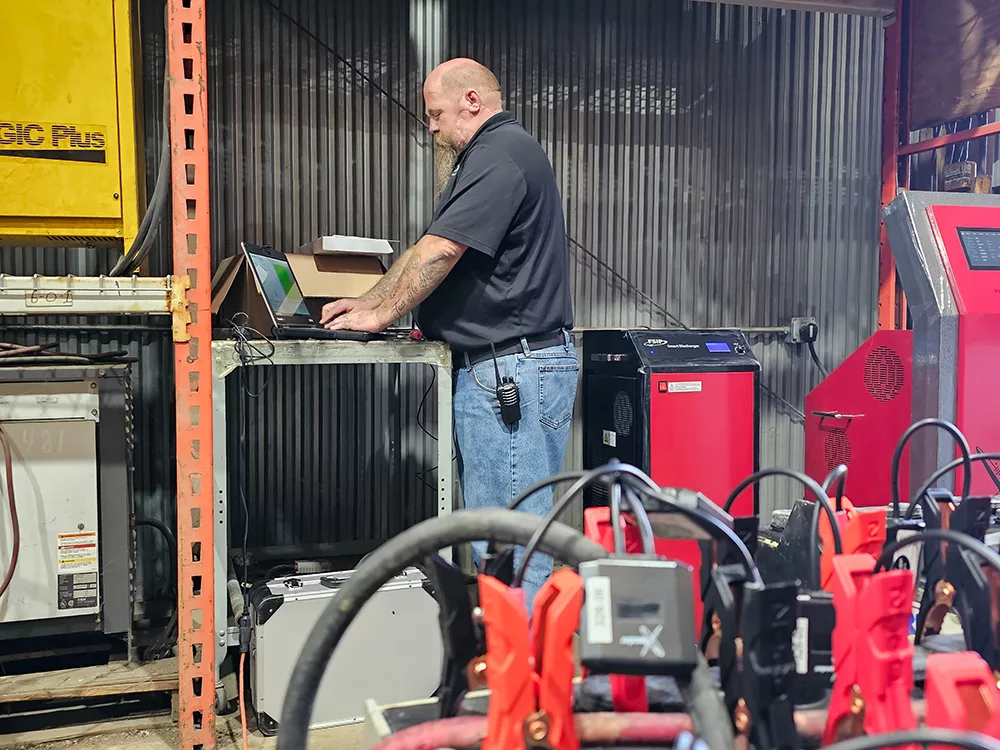
Improving Forklift Battery Performance Through Reconditioning
Forklift batteries are essential components for material handling operations, providing the power needed to lift, move, and stack heavy loads. Over time, these batteries naturally degrade, leading to reduced performance, shorter run times, and increased maintenance costs. Reconditioning offers a cost-effective and environmentally friendly solution to revitalize aging forklift batteries and extend their lifespan.
Reconditioning involves a comprehensive process that restores the battery's capacity and performance by addressing the common issues that cause degradation. This article delves into the importance of forklift battery reconditioning, explores the methods employed, and highlights the benefits it offers in terms of cost savings, environmental sustainability, and operational efficiency.
Understanding Forklift Battery Degradation
Forklift batteries are lead-acid batteries, consisting of lead plates immersed in an electrolyte solution. During discharge, a chemical reaction occurs that converts lead sulfate to lead oxide, releasing energy. Over time, several factors contribute to battery degradation:
Sulfation
Sulfation occurs when lead sulfate crystals form on the battery plates, hindering the flow of current and reducing capacity. This is primarily caused by infrequent deep discharges and prolonged periods of idleness.
Corrosion
Corrosion on the battery plates and terminals reduces conductivity and increases internal resistance, affecting the battery's ability to store and deliver charge efficiently.
Sedimentation
Sedimentation refers to the buildup of lead sulfate particles at the bottom of the battery cells, hindering electrolyte circulation and reducing the effective plate surface area.
Electrolyte Loss
Electrolyte loss through evaporation or spills can decrease the electrolyte level, reducing the battery's capacity and increasing the risk of damage.
Forklift Battery Reconditioning: A Comprehensive Approach
Reconditioning is a specialized process designed to reverse the effects of battery degradation and restore its performance. It typically involves the following steps:
Disassembly and Inspection
The battery is disassembled to access the individual cells. Each cell is thoroughly inspected for signs of damage, corrosion, or sedimentation.
Cleaning and Desulfation
The battery plates are cleaned to remove accumulated lead sulfate and corrosion. Desulfation involves using specialized equipment and techniques to break down lead sulfate crystals and restore the plates' conductivity.
Electrolyte Replacement
The old electrolyte is replaced with fresh, high-quality electrolyte, ensuring proper electrolyte level and conductivity.
Charging and Conditioning
The reconditioned battery is subjected to a series of controlled charging and discharging cycles to optimize its performance and ensure proper activation of the plates.
Reassembly and Testing
The cells are reassembled and tested to ensure they meet specific performance standards. This includes measuring capacity, voltage, and internal resistance.
Benefits of Forklift Battery Reconditioning
Reconditioning offers significant benefits compared to purchasing new batteries or simply replacing them with refurbished ones. Here are some key advantages:
Cost Savings
Reconditioning is significantly more cost-effective than buying new batteries. It typically costs about 30% to 50% less, allowing for substantial savings on operational expenses.
Extended Lifespan
Reconditioning can extend the lifespan of forklift batteries by several years, providing a longer return on investment and reducing the frequency of battery replacements.
Improved Performance
Reconditioned batteries deliver performance levels comparable to new batteries. They achieve increased run times, improved starting power, and better overall efficiency.
Environmental Sustainability
Reconditioning promotes sustainability by reducing the need for new battery production, which is a resource-intensive and environmentally demanding process. It helps minimize waste and conserve resources.
Reduced Downtime
Reconditioning reduces downtime associated with battery replacements, allowing for continuous operations and maximizing productivity.
Factors to Consider When Reconditioning Forklift Batteries
While reconditioning offers numerous benefits, it's essential to consider certain factors before making a decision:
Battery Age
Reconditioning is most effective for batteries that are relatively new, typically within the first five years of their lifespan. Older batteries may have experienced significant degradation that is difficult to reverse.
Battery Condition
The overall condition of the battery, including the presence of physical damage, excessive corrosion, or severe sulfation, can impact the effectiveness of reconditioning.
Reconditioning Provider Expertise
Choosing a reputable and experienced reconditioning provider is crucial. They should have the necessary expertise, equipment, and quality control processes to ensure successful reconditioning.
Conclusion
Forklift battery reconditioning is a valuable solution for businesses seeking to optimize their material handling operations. By restoring degraded batteries to their original performance, reconditioning offers significant cost savings, extends battery lifespan, and enhances overall efficiency. It also promotes environmental sustainability by reducing waste and resource consumption. Choosing the right reconditioning provider and considering factors like battery age and condition are critical for maximizing the benefits of this process. By embracing battery reconditioning, businesses can unlock a range of advantages, ensuring reliable and cost-effective material handling operations.

0 comments:
Post a Comment
Note: Only a member of this blog may post a comment.