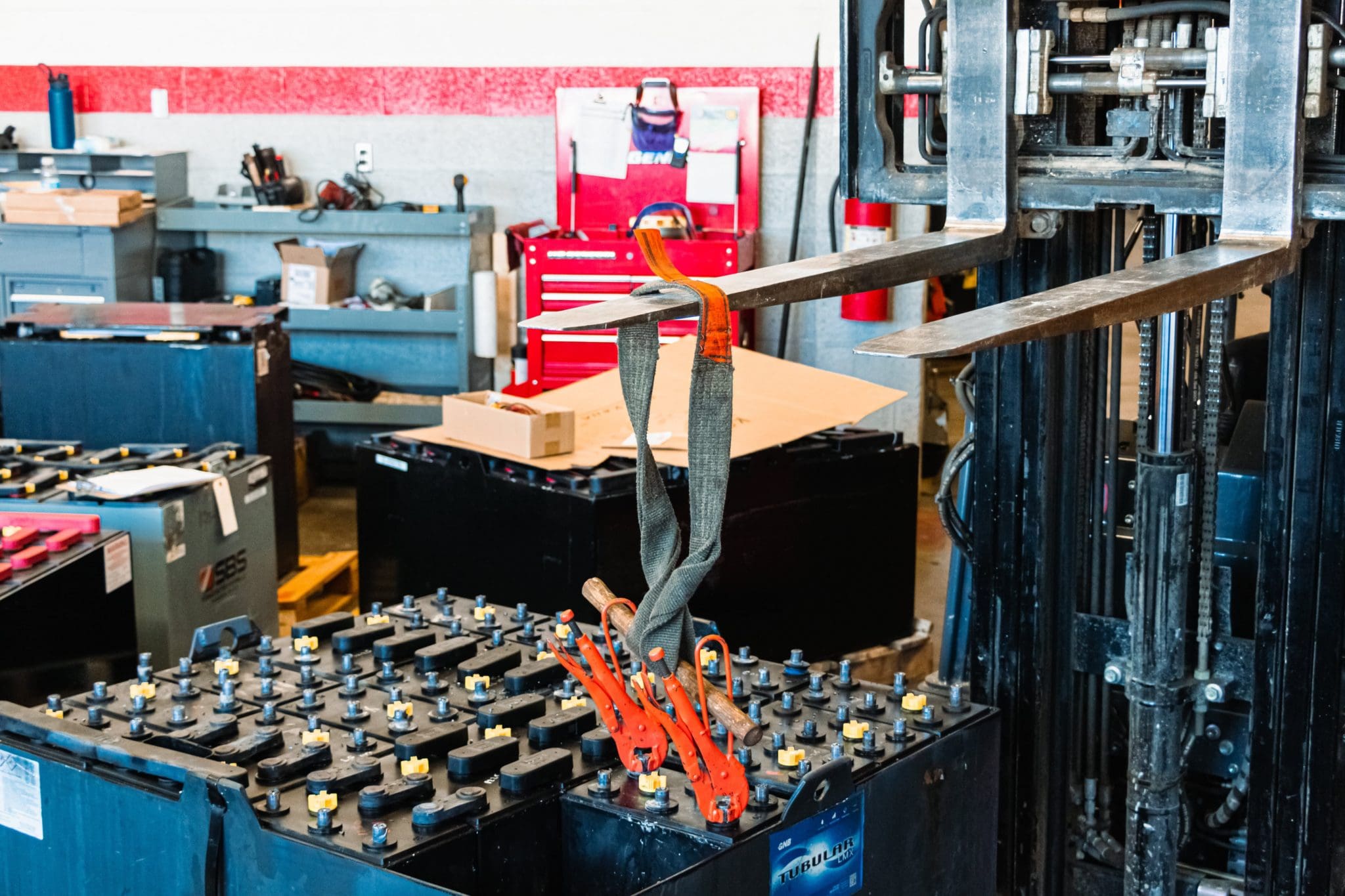
Reconditioning Your Forklift Battery for Maximum Power
Forklifts are essential workhorses in warehouses, factories, and construction sites. Their reliable performance depends heavily on the health of their batteries. Over time, forklift batteries can lose their capacity, leading to reduced power, shorter run times, and potential downtime. But don't despair! You can often breathe new life into your forklift battery by reconditioning it.
Reconditioning a forklift battery isn't just about extending its lifespan; it's also about maximizing its performance. A reconditioned battery can provide you with the power and run time you need to get the job done efficiently and without interruptions.
In this guide, we'll walk you through the process of reconditioning your forklift battery, explaining the steps, the tools you'll need, and some important safety precautions. Let's dive in!
Understanding Forklift Battery Reconditioning
Before we get into the specifics, let's clarify what battery reconditioning entails. It's essentially a process that aims to restore the battery's capacity and performance by removing the sulfation buildup that forms on the battery plates over time. This buildup acts as an insulator, hindering the flow of electricity and decreasing the battery's ability to hold a charge.
Reconditioning typically involves a combination of methods, including:
- Equalization Charging: This involves charging the battery at a higher voltage for an extended period to break down the sulfation and restore the battery's chemical balance.
- Desulfation: This method utilizes specialized equipment to generate pulses of electricity that dislodge the sulfation from the battery plates.
- Battery Cleaning: Cleaning the battery terminals and connections helps ensure a smooth flow of electricity.
- Electrolyte Topping: Checking and adjusting the electrolyte level in flooded lead-acid batteries is crucial for optimal performance.
Benefits of Reconditioning a Forklift Battery
Reconditioning your forklift battery offers numerous advantages, including:
- Extended Battery Lifespan: By removing the sulfation and restoring the battery's health, reconditioning can significantly prolong its lifespan. This can save you money on replacement costs.
- Increased Battery Capacity: A reconditioned battery can hold a larger charge, enabling you to operate your forklift for longer periods before needing to recharge it.
- Improved Performance: You'll notice a boost in the forklift's performance, with faster acceleration, smoother operation, and reduced downtime due to power issues.
- Reduced Maintenance Costs: By keeping your battery in good condition, you can minimize the need for frequent repairs and replacements, saving you money in the long run.
- Environmentally Friendly: Reconditioning helps reduce the number of used batteries that end up in landfills, contributing to a greener environment.
When to Consider Reconditioning Your Forklift Battery
It's not always necessary to recondition your forklift battery. However, if you notice any of the following signs, it's a good indicator that it's time to consider reconditioning:
- Decreased Run Time: Your forklift's operating time between charges has shortened significantly.
- Slow Acceleration: The forklift takes longer to reach full speed or struggles to move heavy loads.
- Frequent Battery Recharge: You're constantly having to recharge the battery, even after short operating periods.
- Battery Warning Lights: Your forklift's battery warning lights are frequently activated, indicating low battery charge or potential issues.
- Battery Sulphation: You notice a white, powdery buildup on the battery terminals, which is a sign of sulfation.
How to Recondition Your Forklift Battery
Reconditioning a forklift battery can be done by a qualified technician or with the right equipment and knowledge, you can attempt it yourself. Here's a general guide to help you get started:
Step 1: Gather the Necessary Tools and Supplies
Before you begin, make sure you have the following tools and supplies:
- Battery Charger: A charger specifically designed for forklift batteries with adjustable voltage and current settings.
- Hydrometer: To check the electrolyte level and specific gravity in flooded lead-acid batteries.
- Battery Terminal Cleaner: To clean the battery terminals and connections.
- Distilled Water: For topping up the electrolyte level in flooded batteries.
- Safety Goggles and Gloves: To protect your eyes and hands from battery acid.
- Ventilation: Ensure proper ventilation during the reconditioning process, as battery fumes can be harmful.
- Desulfation Equipment (Optional): This is used for more advanced desulfation methods, but not essential for basic reconditioning.
Step 2: Prepare the Battery
First, you need to prepare the battery for reconditioning:
- Disconnect the Battery: Before working on the battery, disconnect the positive (+) and negative (-) terminals to prevent accidental electrical shocks.
- Clean the Battery: Remove any dirt, grime, or corrosion from the battery terminals and connections. You can use a battery terminal cleaner or a mixture of baking soda and water.
- Inspect the Battery: Carefully inspect the battery for any signs of damage, leaks, or cracks. If you find any issues, contact a qualified technician for repair or replacement.
Step 3: Perform Equalization Charging
Equalization charging is a crucial step in reconditioning a forklift battery. It involves charging the battery at a higher voltage for an extended period, usually 8 to 12 hours, to break down the sulfation and restore the battery's chemical balance. Here's how to do it:
- Connect the Charger: Connect the battery charger to the battery terminals, ensuring the positive (+) terminal is connected to the positive (+) charger terminal and the negative (-) terminal to the negative (-) charger terminal.
- Set the Charger Voltage: Set the charger voltage to the recommended level for your battery type. Typically, this is 2.4 to 2.6 volts per cell.
- Charge the Battery: Charge the battery for the specified duration. During the charging process, monitor the battery temperature and make sure it doesn't exceed 130°F (54°C).
- Disconnect the Charger: After the charging period, disconnect the charger and allow the battery to cool down.
Step 4: Check the Electrolyte Level
If your battery is a flooded lead-acid type, you need to check and adjust the electrolyte level after equalization charging. This is important to ensure optimal battery performance.
- Use the Hydrometer: Use a hydrometer to measure the specific gravity of the electrolyte in each cell. The specific gravity should be within the manufacturer's recommended range.
- Top Up with Distilled Water: If the electrolyte level is low, top it up with distilled water to the appropriate level, ensuring the battery plates are fully immersed.
- Avoid Overfilling: Do not overfill the cells, as this can cause the battery to vent or leak.
Step 5: Repeat Charging and Checking
You may need to repeat steps 3 and 4 several times to effectively desulfate the battery. It's recommended to perform at least three cycles of equalization charging and electrolyte level checking. You'll notice improvements in the battery's performance after each cycle.
Step 6: Desulfation (Optional)
For more advanced desulfation, you can use specialized equipment, such as desulfation pulsers. These devices generate electrical pulses that help break down the sulfation on the battery plates. Consult the equipment manual for specific instructions.
Step 7: Test and Monitor
Once you've completed the reconditioning process, it's important to test the battery's performance. You can do this by charging the battery fully and then using your forklift for a normal operating period. Monitor the battery's performance, including run time and acceleration, to assess its improvement.
Safety Precautions
When working with forklift batteries, it's crucial to follow these safety precautions:
- Wear Protective Gear: Always wear safety goggles, gloves, and appropriate clothing to protect yourself from battery acid and electrical hazards.
- Work in a Well-Ventilated Area: Battery fumes can be harmful, so work in a well-ventilated area or use a respirator.
- Avoid Contact with Acid: Do not touch battery acid with your bare hands. If you come into contact with it, immediately rinse the affected area with plenty of water and seek medical attention.
- Never Charge a Frozen Battery: A frozen battery can explode, so never charge a battery that is below freezing.
- Use Proper Tools: Always use the correct tools and equipment for working with batteries.
- Follow Manufacturer's Instructions: Refer to the battery manufacturer's instructions for specific guidelines and recommendations for reconditioning.
Conclusion
Reconditioning a forklift battery can be a cost-effective and environmentally responsible solution for extending its lifespan and improving its performance. By following the steps outlined in this guide and taking proper safety precautions, you can give your battery a second chance and keep your forklift operating efficiently for years to come. However, if you're unsure about reconditioning or have any concerns, it's always best to consult with a qualified battery specialist or technician.

0 comments:
Post a Comment
Note: Only a member of this blog may post a comment.